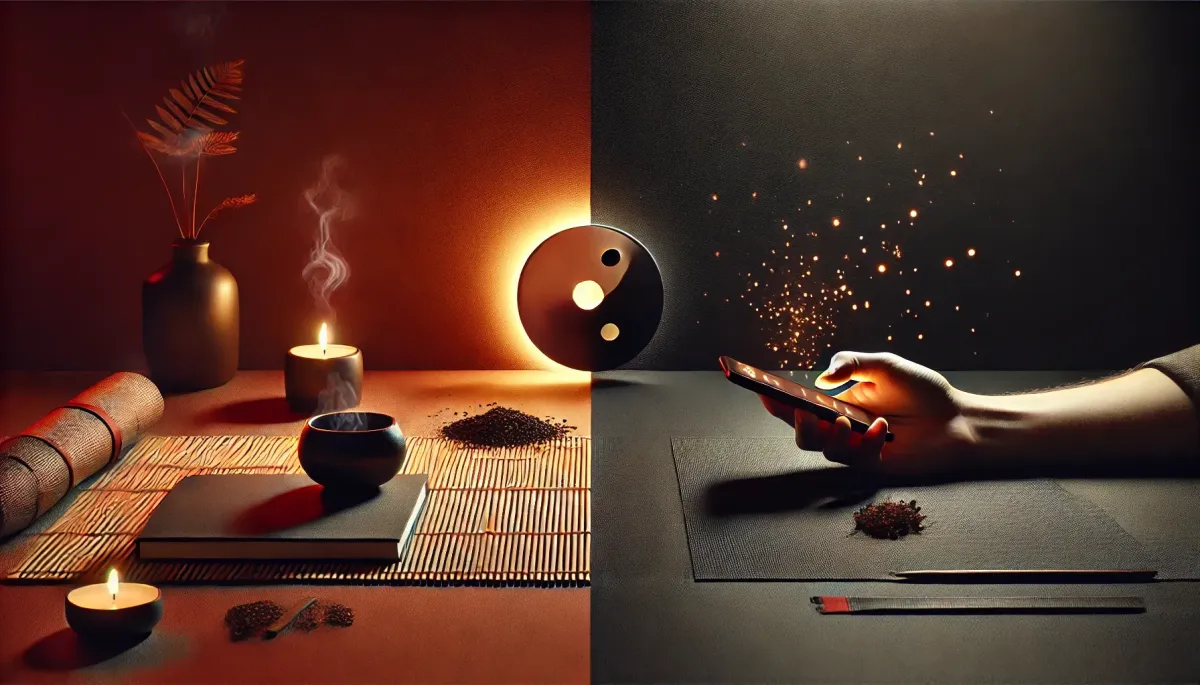
Rest vs Drift (Choose, Don’t Slide)
Rest vs Drift (Choose, Don’t Slide)
Rest is deliberate. Drift is unconscious.
Most people don’t need more discipline. They need clearer definitions.
Because what wrecks progress isn’t “rest.” It’s drift.
Rest is a choice. Drift is what happens when you refuse to choose and then call it “a break.”
Rest restores you. Drift dulls you.
Rest feels clean after. Drift feels sticky.
And the reason we confuse them is that both involve not doing the work—so the mind files them under the same label and quietly steals your life while you think you’re “recharging.”
Let’s end that.
What rest actually is
Rest is intentional recovery.
It has:
A start time
An end time
A purpose (recovery)
A container (so it doesn’t become a week-long coma)
Rest can be:
Sleep
A walk
Quiet reading
A bath
Time with people who don’t drain you
Play that leaves you lighter
Stillness that returns your attention
Rest is not the enemy of progress. Rest is part of it.
What drift actually is
Drift is comfort without awareness.
It’s the default slide:
scroll
snack
busywork
“research”
tab-hopping
pseudo-planning
digital grazing
numb entertainment you don’t even enjoy
Drift doesn’t restore you. It sedates you.
And sedation has a cost: when you come back, you are not refreshed—you are foggy, irritable, and oddly tired, like you’ve been mentally chewing rubber.
The drift illusion: “I deserve this”
You might. You probably do.
But “deserve” is not the same as “benefit.”
The comfort system inside you is cunning: it will take your valid need for rest and use it as a legal defense for drift.
That’s why you need a rule:
“Rest is chosen. Drift is caught.”
The Choose-Don’t-Slide Protocol (CDS)
Here’s how you separate rest from drift in real time.
Step 1 — Ask the 10-second question
Before you “take a break,” ask:
“Will this restore me or numb me?”
If you can’t answer, you’re about to drift.
Step 2 — Pick a Rest Container
Choose one:
20 minutes
45 minutes
90 minutes
An evening block
Set a timer. Yes, a timer. Because drift loves infinity.
Step 3 — Use a Rest Menu (not a mood)
When people choose rest by mood, they drift.
When they choose from a menu, they rest.
Rest Menu examples:
Walk + podcast (one episode max)
Shower + music
Stretching / mobility
Cook a simple meal
Read 10 pages
Call a friend (set time)
Sit outside for 10 minutes
Journal one page
Pick 1–2 items. Do them fully.
Step 4 — Drift Tripwire
If you notice any of these, you’re drifting:
“Just five more minutes…” (the anthem of drift)
You’re switching apps without intention
You’re consuming content you don’t even like
You feel slightly ashamed but keep going
You can’t remember what you’ve been doing
When a tripwire hits, you don’t shame yourself. You choose.
Step 5 — The Drift Exit (2 minutes)
Say:
“I’m drifting. I choose rest.”
Then do a two-minute reset:
Stand up
Drink water
Wash face
10 slow breaths
Walk to a different room
Then pick a Rest Menu item.
This is how you regain attention without a fight.
Why drift keeps winning
Drift wins because it requires no identity.
Rest requires you to admit you’re tired and choose recovery.
Drift lets you avoid the truth and call it “downtime.”
But here’s the forward-looking truth: attention is becoming one of the rarest resources on earth. Everyone wants it. Everything is built to harvest it. If you don’t protect it, you’ll be farmed.
So you need a practice that turns attention into something you own, not something you rent out to algorithms and sugar.
Practice: Define your personal Rest Rules
Write these and keep them somewhere visible.
1) My Rest Containers:
Weekdays: ______ minutes
Weekends: ______ blocks
2) My Rest Menu (5 items):
3) My Drift Tripwires (3 signs):
4) My Drift Exit (2 minutes):
What do you do immediately when you catch drift?
Closing: choose rest like a rebel
Drift is not pleasure. Drift is surrender.
Rest is not laziness. Rest is strategy.
The difference is not moral. It’s mechanical: container, intention, outcome.
So the next time you feel the slide begin—when your thumb reaches for the phone like it’s a religious ritual—pause.
Ask the question.
Choose rest.
And watch how quickly your attention comes back when you stop donating it to the comfort machine.
